Having “That” Conversation
A WHS-ready guide for high-stakes mental health moments — without becoming a counsellor
.png)
.jpg)
It Usually Starts Small
A reliable team member becomes withdrawn, makes uncharacteristic mistakes, skips breaks, or snaps at colleagues. Everyone feels the tension.
At that moment you have two choices: avoid the conversation and hope it passes, or step in nervous, unsure what to say, secretly wishing “just send them to EAP” will fix it.
The WHS Reality Check
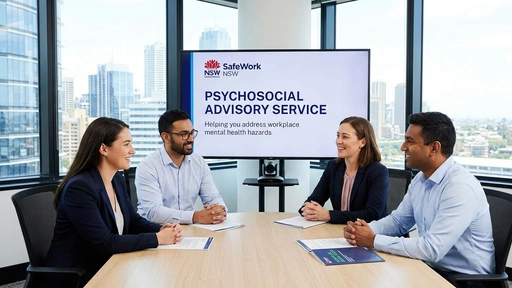
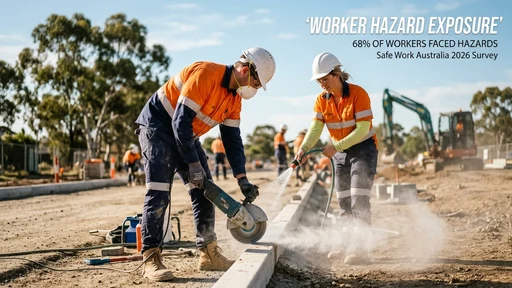
Under work health and safety law, psychosocial hazards are workplace hazards exactly like slips, trips or machinery risks. You must identify them, control them and review the controls.
The conversation is not about diagnosing or fixing someone’s personal life.
Its two simple goals are:
- Support the person safely right now
- Find out whether work is adding to the load so you can apply proper controls
The Common Trap
Work and life overlap, so it’s easy to label the issue “personal” and move on.
WHS does not allow that. Hazards such as high job demands, low support, role conflict, bullying, fatigue and burnout are all influenced by how work is designed and managed.
“Just refer to EAP” can miss the real fix if the workplace itself is part of the problem.
The CLEAR Conversation Framework
A practical 5-step structure that keeps leaders human, safe and fully WHS-compliant.
C – Check your readiness (30 seconds)
Ask yourself: Am I calm enough to be helpful?
If not, pause.
Leader line:
“I want to check in properly. Is now an okay time for a private chat?”
L – Listen first (2–3 minutes)
Don’t jump to solutions. Just listen.
Leader lines:
“I’ve noticed you seem under a lot more pressure lately. How are you going?”
“I’m not here to judge. I just want to understand what’s going on for you.”
Resist the urge to share your own stories or offer advice right now. It can unintentionally shift the focus or make the person feel they’re not being heard. Save personal anecdotes for informal settings outside work.
E – Explore the work factors (the WHS step)
Gently separate personal stress from workplace contributors.
Leader lines:
“What at work is making this harder right now?”
“Has anything changed in workload, hours, role expectations or team dynamics?”
A – Agree the next safe step
Make the plan concrete and time-bound. Apply quick interim controls.
Examples of immediate controls:
- Adjust priorities for 48 hours
- Add a buddy or extra check-ins
- Temporarily move away from high-risk tasks
- Reduce overtime or change shifts
Leader line:
“Let’s agree on one change we can make immediately, and one follow-up step by [date].”
R – Refer and record
Connect the person to support with dignity, then record only what is needed for safety and follow-through.
Leader line:
“If you’re open to it, we can connect you with EAP, your GP or HR. On the work side, I’ll own the changes we agreed.”
## Stay in Your Lane (This Protects Everyone)
Your role:
- Listen without fixing (or advice)
- Focus on observable work impact and work controls
- Agree an immediate safe step
- Connect to professional support
Never:
- Diagnose or label (anxiety, depression, etc.)
- Demand personal details
- Promise absolute confidentiality
- Try to investigate serious allegations informally
Helpful line to say:
“I’m not here to diagnose anything. I’m here to make sure you’re doing well at work and to change what we can control.”
Red Flags – Escalate Immediately
Go straight to your emergency procedures if you see:
- Imminent risk to self or others
- Severe distress or inability to work safely
- Threats of violence
- Impairment in safety-critical roles
The Bigger Picture
You don’t need perfect words. You need a steady, practical response.
Using CLEAR turns a difficult moment into an early hazard identification, applies controls quickly, and builds a stronger prevention culture.
You’re not a counsellor.
You’re doing your WHS job: support the person, reduce exposure, and make the workplace measurably safer than it was yesterday.