
.jpg)

Compliance Meaningfully: How to Move Beyond Tick-the-Box Safety
Explore the difference between surface, deep and adaptive compliance, and learn how to design systems that manage real workplace risk.
What Two Real Enforcement Cases Reveal About Managing Psychosocial Hazards in Australia
An EAP alone doesn’t meet your psychosocial hazard duty. Two real WHS prosecutions show what regulators actually expect, and how to close the gap.
When Does a Workplace Need Air Monitoring?
Learn when workplace air monitoring is required in Australia, what it involves, and how it helps manage exposure to airborne contaminants.
When Is a Hazard Report Actually Closed? A Practical Guide for Australian Workplaces
Learn when a hazard report should be closed and why completing an action doesn’t always mean the workplace risk has been effectively controlled
AI and Critical Control Management: The Next Evolution of Safety Software
See how AI and Critical Control Management help organisations analyse safety data, verify controls and make better-informed risk decisions.
Stop Ticking Boxes: Turning Minor Incidents Into Real Organisational Learning
Minor incidents are rich learning opportunities. Discover Event Insights, a seven-question method that turns small events into meaningful lessons.

Psychosocial Hazards: What Every Australian Workplace Cannot Ignore
Psychosocial hazards are more than employee wellbeing. Learn how Australian workplaces can identify, assess, and control work-related psychosocial risks.
AI is now a WHS issue: What Safe Work Australia’s new guidance means for employers
AI is changing how work gets done—but it is also creating new WHS risks. Here’s what Safe Work Australia’s latest guidance means for employers
From WES to WEL: What Australian workplaces need to know
Learn what Australia’s shift from WES to WEL means for workplace exposure limits and how businesses can prepare for 1 December 2026.
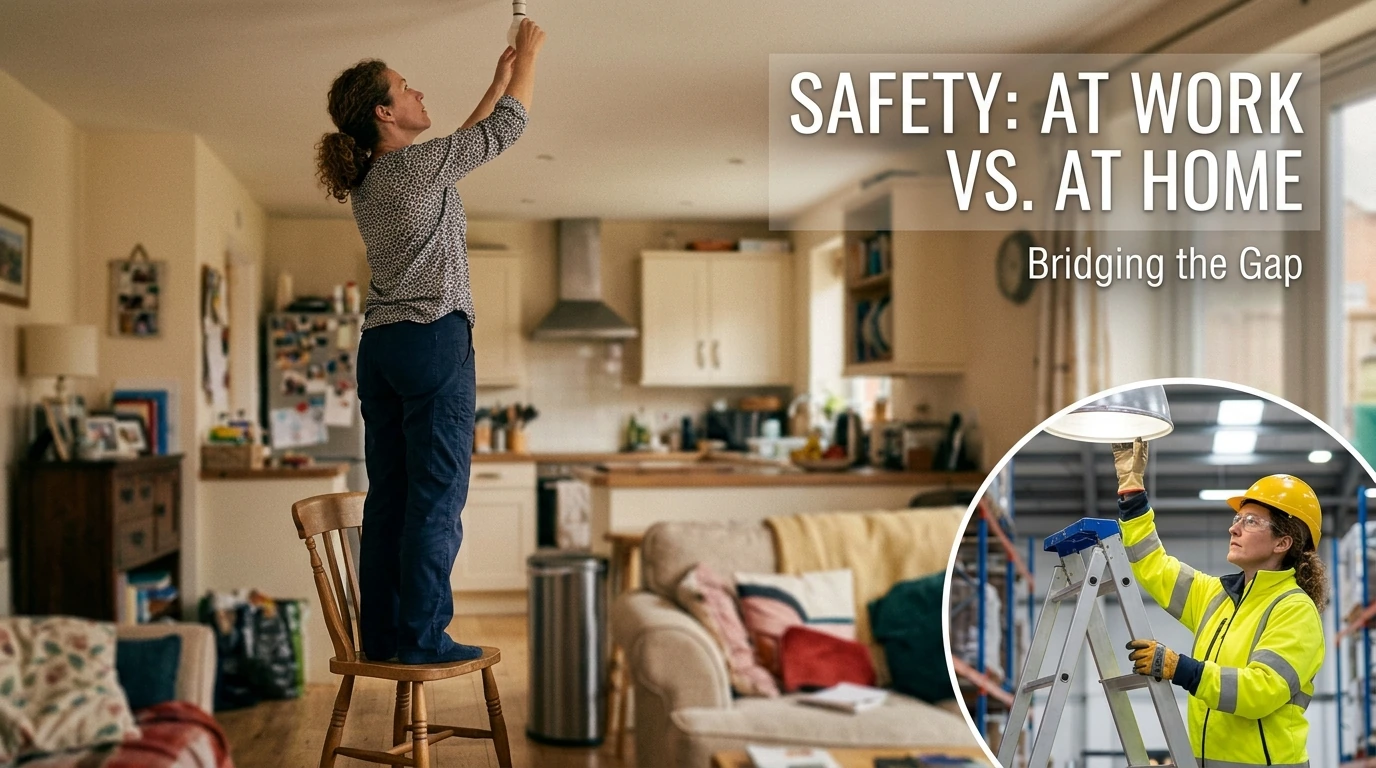
The Work vs Home Safety Mindset
Why do we follow safety rules at work but ignore the same hazards at home? Discover habituation, optimism bias, and how home insights build better safety.
PAW Is Closing - Here's What Australian Employers Need to Do About Psychosocial Risk Next
PAW closes 2 October 2026. Here's what's changed in psychosocial risk compliance across Australia, and what an audit-ready system needs now.
Safety software implementation is only the beginning: How to achieve lasting employee adoption
Learn how to improve safety software adoption through employee consultation, practical training, leadership support and responsive system design.
Stop Investigating Everything: How Smarter Event Classification Reduces Risk
Over-investigating incidents overloads safety teams and hides real risk. Learn how to classify events for organisational learning and risk reduction.
Asbestos Isn’t History: Why WHS Teams Need to Revisit a Legacy Risk
Asbestos may be banned, but it has not disappeared. Learn why WHS teams need current registers, clear controls and better visibility.
Climate Disclosure Is Now an HSE Problem: Why Your Emissions Data Is Already in Your Safety System
Climate disclosure has become a HSE issue. Here’s why your fuel and electricity logs are already emissions data — and what to do before AASB S2 hits
What Happens When We Truly Listen? How Listening Builds Psychological Safety at Work
Discover how genuine listening reduces bias, builds psychological safety and strengthens belonging at work — insights from psychologist Dr Natalie Flatt.