IOSH Evaluates Benefits and Emerging Risks of Artificial Intelligence in Workplace Safety
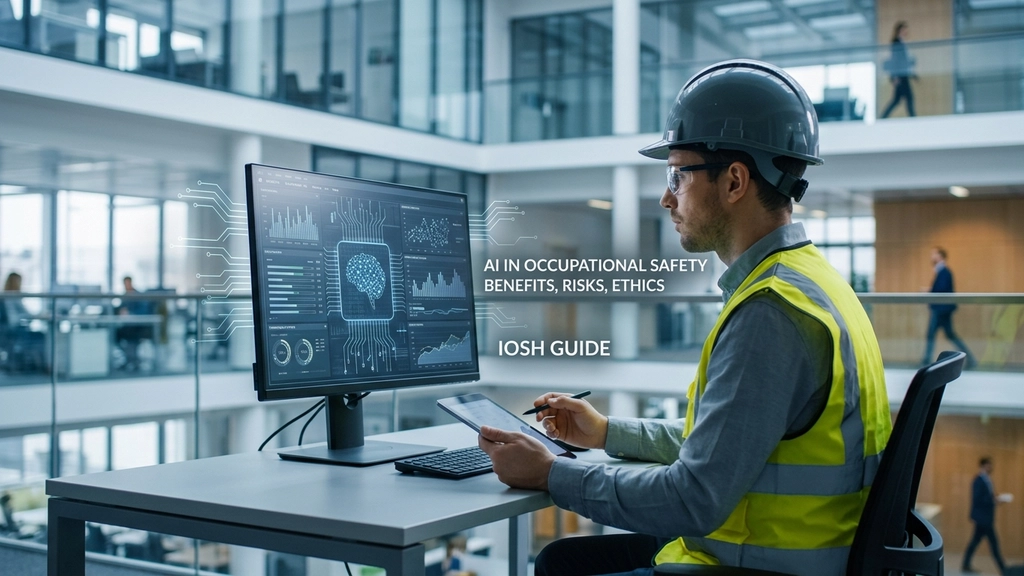
IOSH has published a guide examining the benefits, risks and ethical questions surrounding artificial intelligence in occupational safety and health.
The following is an abridgement of an article originally published by IOSH Magazine.
Opportunities in Workplace Safety
The Institution of Occupational Safety and Health reported that artificial intelligence is altering occupational safety and health practices. According to the organisation, tools including computer vision, wearable technology, predictive maintenance, risk assessment models, and incident analysis offer opportunities to identify workplace hazards more efficiently and support data-informed decision-making.
Emerging Risks and Operational Challenges
IOSH stated that the deployment of AI in workplaces introduces new risks, highlighting concerns surrounding employee surveillance, data privacy, automation bias, low-quality data inputs, and over-reliance on technological systems.
The organisation also noted that AI systems can influence how work is designed and managed, which may impact worker fatigue, stress, job autonomy, and overall wellbeing.
Human Oversight in Safety Practice
According to IOSH, maintaining human judgement, active worker engagement, and professional accountability remains necessary as automated systems become more widespread. The organisation released a practical deep-dive resource examining these technological developments to help occupational safety and health professionals navigate ethical questions and operational integration.