
.jpg)

Understanding the HSE Impacts of Fuel or Energy Disruption
Explore the HSE impacts of fuel or energy disruption, including workplace conditions, hidden dependencies, and broader risk exposure.
Engineered stone ban: what builders and installers need to prove on-site
Avoid breaches and silica exposure. Evidence builders need for the engineered stone ban: compliant materials, SWMS, training and subcontractor controls.
Having “That” Conversation
A WHS-ready guide for high-stakes mental health moments — without becoming a counsellor
Critical Control Management in Action: Introducing The Critical Edge Series
See how The Critical Edge series shows a smarter, connected approach to critical control verification, visibility, and accountability.
Contractor Interfaces in Mining: 8 Common Safety Governance Breakdowns
Learn the 8 common contractor governance breakdowns in mining and practical ways to close interface gaps before they become serious events.
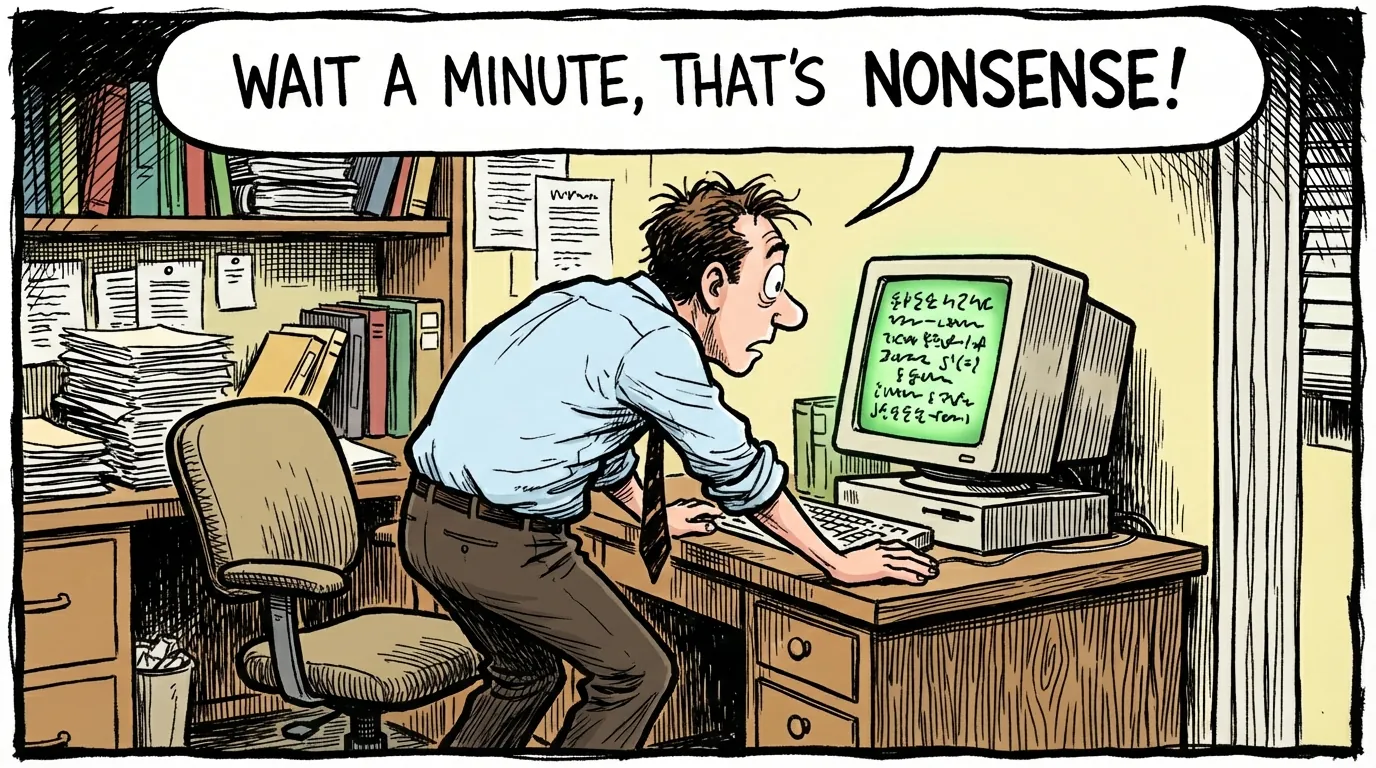
Sounding Right vs. Being Right: Making AI a Reliable Partner in Safety Analysis
AI can analyse safety reports in seconds, but it's a master improviser. Learn how structured workflows turn promise into reliable insight.
Managing Major Accident Hazards in Oil & Gas: Moving Beyond Paper Bowties
Learn how digital Critical Control Management improves barrier assurance for Major Accident Hazards in Oil & Gas operations.
.jpg)
Health & Safety Priorities for Transport & Logistics (Chain of Responsibility Focus)
Explore key transport and logistics safety priorities, from fatigue and load safety to compliance under Chain of Responsibility.

The Physics of Risk: Where Energy Scaling Intuitions Fail
Learn how Energy-Based Safety uses physics to reveal hidden risks that linear intuition and typical assessments often miss.
Static Bowties Don’t Prevent Incidents: How to Turn Bowtie Analysis into Real-Time Critical Control Management
Learn how to turn Bowtie analysis into real-time critical control management with clear ownership, verification, and ongoing oversight.
.png)
Critical Controls vs “Important Controls”: How to Draw the Line (and Prove It)
Learn how to distinguish critical controls from important controls and prove effectiveness with clear standards and verification.
Psychosocial Risk, Done Positively: Job design changes that reduce harm and lift performance (2026 starter guide)
A practical 2026 guide to reducing psychosocial risk through better job design, clearer priorities, stronger support, and change management.
New Year, New Follow-Through: Reset Your Safety Actions in 2026
Reset your safety actions for 2026 with Action Management that turns audits, inspections, and incidents into closed, verified actions.
Closing the Loop — Using Online Training and Refresher Learning to Embed Safety Culture
Learn how online training and refresher learning strengthen safety culture and connect training, compliance, and performance.
Why Data Integrity Matters: Ensuring Quality Safety Data for Better Decision-Making
Learn why data integrity matters in HSEQ and how standards, workflows, training, and technology support better safety decisions.
Fatigue Management in High-Risk Environments: Strategies, Tech & Culture
Fatigue is a critical safety hazard. Discover strategies and technologies that help protect workers and support safer, more sustainable operations.